
Plan deliberately. Execute with control.
Capital projects place significant demands on an owner’s internal team. DSMC provides experienced project leadership and independent owner-side support, from the first budget through to an operational facility.
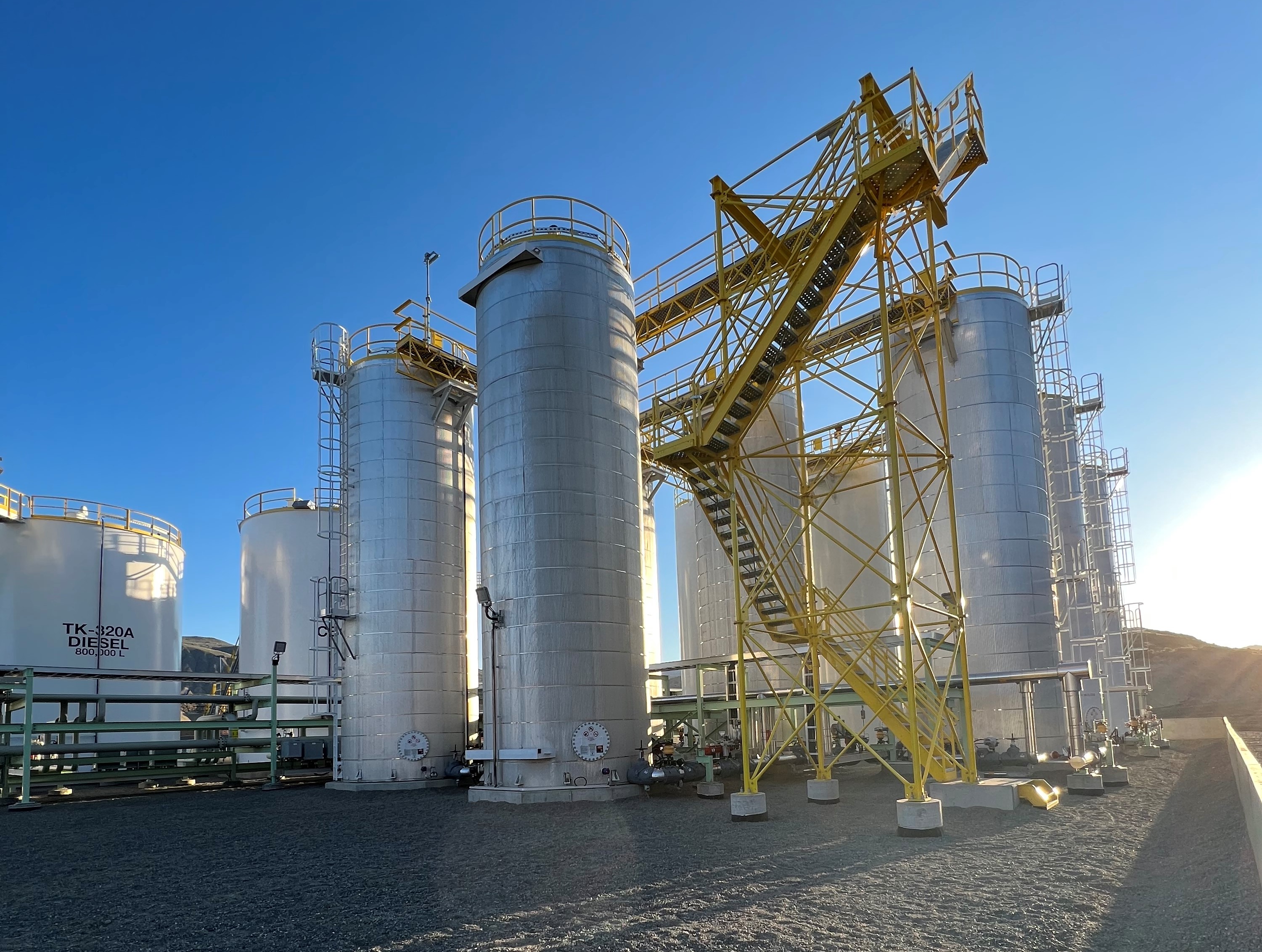
Fuel distribution terminal, British Columbia — DSMC owner-side project
Capacity, independence and decision support.
Capital programs rarely arrive when the internal team has room for them. Engineering, procurement, permitting, construction and commissioning all compete for the same experienced people — usually the same people who are also running the operation.
DSMC adds that capacity without you carrying it permanently, and adds it on your side of the table. We hold no engineering or construction scope on the project ourselves, so our attention stays with your objectives — which is why owners bring us in to test options, evaluate proposals and support decisions.
We add the most value early. Testing scope and budget before commitments are made, structuring the tender properly, and progressing permitting alongside design all prevent costly problems once construction is underway.
Added project capacity
Experienced project leadership for a defined scope, a phase, or a full program — strengthening your team rather than replacing it.
Independent representation
We represent the owner’s interest with engineering firms, vendors and contractors, and we hold no scope on the project ourselves.
Decision support and visibility
Cost, schedule, risk and change reported in a form that supports a decision rather than one that fills a binder.
Coordination across interfaces
Engineering, contractors, vendors, regulators and operations pointed at the same outcome, with the interfaces actively managed.
Through to operations
Commissioning, safe operating procedures, maintenance planning and turnover — the stage that decides whether the asset actually performs.
Any stage — though the earlier stages return more.
We can pick a project up at any point. The influence available for the money is greatest in the earliest stages, while options are still open and commitments have not been made.
Define
- 01Concept & feasibilityRequirements, options, site evaluation, market analysis and an order-of-magnitude budget.
- 02Planning, design & permittingDesign management and review, regulatory strategy, applications and approvals progressed alongside design rather than after it.
- 03Estimating & schedulingClass 1–4 estimates, AFE budgeting and the construction schedule the tender will be judged against.
Deliver
- 04Procurement & tenderPre-qualification, tender packages, RFQ and RFP management, evaluation and contract award.
- 05ConstructionContract administration, project controls, change management, and progress and quality review on site.
Transfer
- 06CommissioningCommissioning plan development and execution, with on-site commissioning support.
- 07Startup & handoverSafe operating procedures, management of change, maintenance planning and O&M manuals for the operations team.
- 08CloseoutDeficiencies, as-builts, final quantities, documentation and turnover driven to completion.
Early concept through final closeout. Real projects overlap these stages and revisit them; the sequence is how the work is organized, not a promise that it runs in a straight line.
What we take on.
Engaged individually, or as a single delivery scope across the whole project.
Conceptual planning & budgeting
Requirements gathering, feasibility and market analysis, site evaluation and layout options, preliminary budget and schedule, risk analysis, and assembling the right engineering and contracting team before commitments are made.
Project management & owner representation
Project planning, design management and review, constructability reviews, contract management and administration, change management, project controls, and reporting your executive can act on.
Estimating & scheduling
Class 1–4 cost estimates covering land acquisition, detailed engineering, construction, operating and maintenance. MasterFormat, UniFormat or a custom WBS, AFE budgeting, and estimated construction schedules across all disciplines.
Procurement & vendor RFPs
Vendor pre-qualification, scope of work and tender package development, RFQ and RFP preparation and management, proposal evaluation and scoring, QA/QC and safety program review, contract and terms recommendation.
Permitting & code compliance
Early engagement through to application and adherence: ECA and stormwater management, liaison with municipal, provincial, federal and Indigenous authorities, air and noise applications, HAZOP and LOPA participation, environmental consultant management, emergency response planning.
Commissioning & startup
Commissioning plan development and execution, on-site commissioning staff, as-built review, safe operating procedures, management of change, maintenance plans and schedules, and operation and maintenance manuals.
Four steps, whatever the size of the engagement.
- Step 01
Understand the need
What is being built, where it stands, what is driving the timing, and where your internal team is already committed.
- Step 02
Define the support
Role, scope, duration, reporting line and cost, agreed before anyone starts. No open‑ended arrangements.
- Step 03
Integrate and execute
Your systems and procedures. Then do the work: package, estimate, schedule, chase, coordinate, administer, resolve.
- Step 04
Deliver and close out
Through commissioning, turnover and documentation, handed over current and usable by the people who will operate it.
Projects we have delivered for owners.
 Owner-side
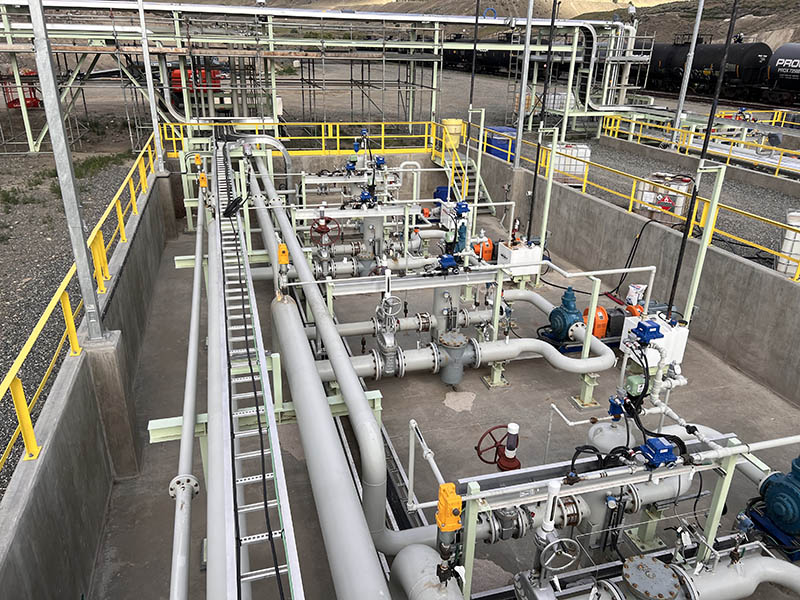
Direct rail-to-truck fuel terminal
Engineering management, vendor RFPs, construction management and operations support.
Read the case study
Owner-sideFuel distribution terminal
Engineering management, permitting, tendering, construction management and commissioning.
Read the case study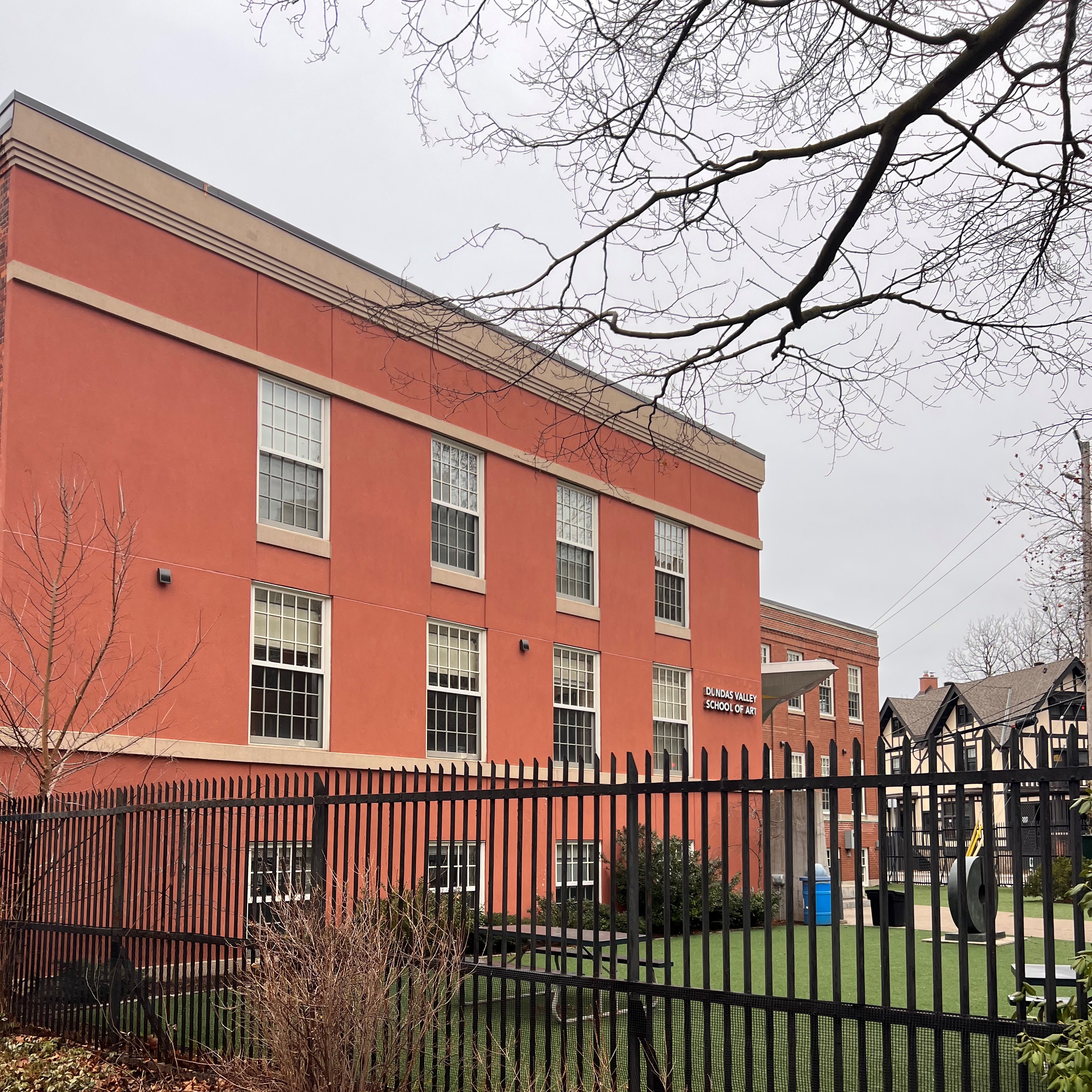 Owner-side
Electrical and HVAC upgrades
Project management and grant reporting for studio upgrades under a federal infrastructure program.
Read the case studyTalk to us about project support.
Whether the project is an idea, a budget request or already under construction, the first conversation costs nothing.
Tell us what the project needs
A short note is enough to start. Tell us the stage, the pressure point and the timing, and we will tell you honestly whether we are the right fit and who would be assigned.